

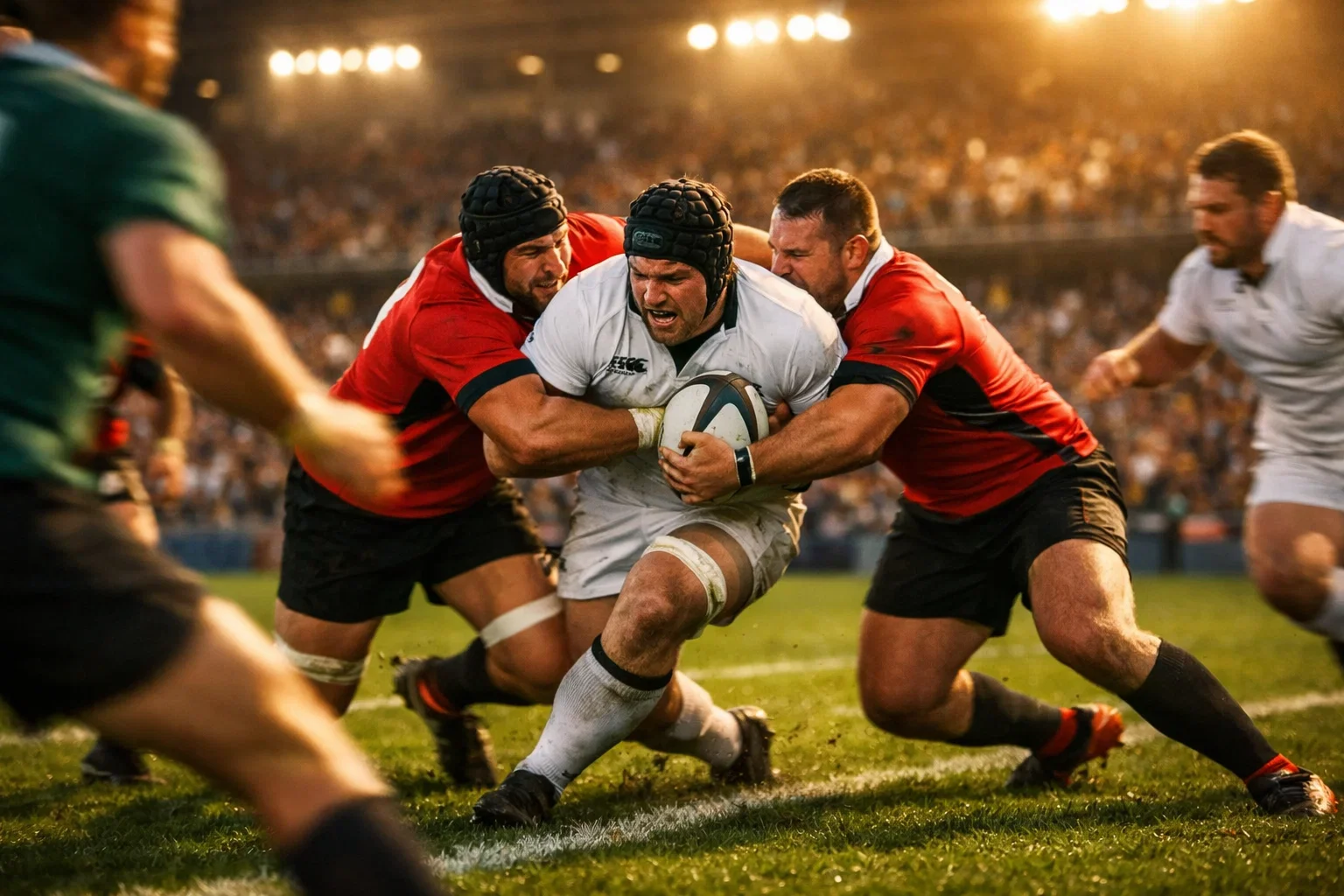
Rugby union unfolds in ways that confound pre-match predictions. A dominant team concedes an early red card. Weather shifts from sunshine to sideways rain at halftime. A key playmaker limps off with a hamstring injury after twenty minutes. These developments reshape match dynamics in real time, and the betting markets adjust accordingly. In-play betting transforms these evolving situations into opportunities for bettors who can read the game faster and more accurately than the bookmakers’ algorithms.
The appeal of live rugby betting lies in information asymmetry that favors attentive observers. Pre-match odds incorporate historical data, team news, and statistical models, but they cannot account for what actually happens once the referee blows the whistle. Momentum shifts, tactical adjustments, and physical dominance become visible only during the match itself. Bettors watching closely gain advantages that disappear in pre-match markets where everyone works from the same information set.
This guide explores every dimension of in-play rugby betting. You will learn how live markets function, which betting options offer the best value during matches, and how to develop strategies that exploit the unique characteristics of rugby union. Whether you prefer backing momentum shifts, exploiting numerical advantages, or finding value in adjusted handicaps, live betting rewards those who combine rugby knowledge with disciplined execution.
What Is In-Play Rugby Betting?

In-play betting allows you to place wagers after a match has started and continues accepting bets until the final whistle. Unlike pre-match markets that close at kickoff, live betting markets remain open throughout the match with odds that fluctuate based on the current score, time elapsed, and match circumstances. Every try, penalty, and significant event triggers odds recalculations, creating a dynamic betting environment that differs fundamentally from traditional pre-match wagering.
The mechanics of live betting require understanding how bookmakers adjust prices during matches. Algorithms process the current scoreline, remaining time, and historical patterns to generate updated probabilities. A team trailing by seven points at halftime sees different odds than the same team trailing by seven with five minutes remaining. The algorithms weight these factors continuously, producing odds movements that sometimes lag behind obvious on-field developments and sometimes overcorrect to recent events.
Rugby’s scoring structure creates distinctive in-play betting patterns. Points arrive in clusters of three (penalties, drop goals), five (unconverted tries), and seven (converted tries), with substantial gaps between scoring events. This chunky scoring differs from sports where points accumulate gradually and creates step-change odds movements when tries occur. A team’s odds might remain stable through ten minutes of territorial pressure, then shift dramatically when that pressure finally produces points. Understanding this rhythm helps bettors anticipate rather than react to odds movements.
The speed of rugby betting markets varies by bookmaker and match importance. Major international fixtures feature rapid odds updates and high betting limits, while lower-profile club matches may see slower adjustments and restricted stakes. Bookmakers recognize that sharp bettors exploit sluggish markets, so they invest in faster pricing for matches attracting significant action. Identifying which bookmakers offer the quickest and most accurate live pricing for your preferred competitions improves execution quality.
In-Play Rugby Betting Markets
Next Scoring Method
The next scoring method market asks you to predict how the next points will be scored: try, conversion, penalty kick, or drop goal. This market offers attractive odds because four possible outcomes spread probability across multiple selections. Penalty kicks typically carry the shortest odds given their frequency in rugby union, while drop goals command the longest prices due to their relative rarity.
Situational awareness drives next scoring method betting. A team with possession inside the opposition twenty-two, facing a defensive wall, might kick the penalty rather than risk a turnover chasing a try. Conversely, a team trailing by more than three points with time running out will eschew kickable penalties to maintain possession and chase tries. Reading these game-state incentives helps predict which scoring method becomes most likely.
Weather conditions strongly influence this market. Wet surfaces and strong winds make handling difficult and reduce try-scoring while increasing penalty frequency as teams opt for territory-based strategies. Dry conditions with little wind favor expansive play and more tries. Adjusting your next scoring method assessment based on real-time conditions rather than pre-match expectations captures value that static analysis misses.
Next Team to Score
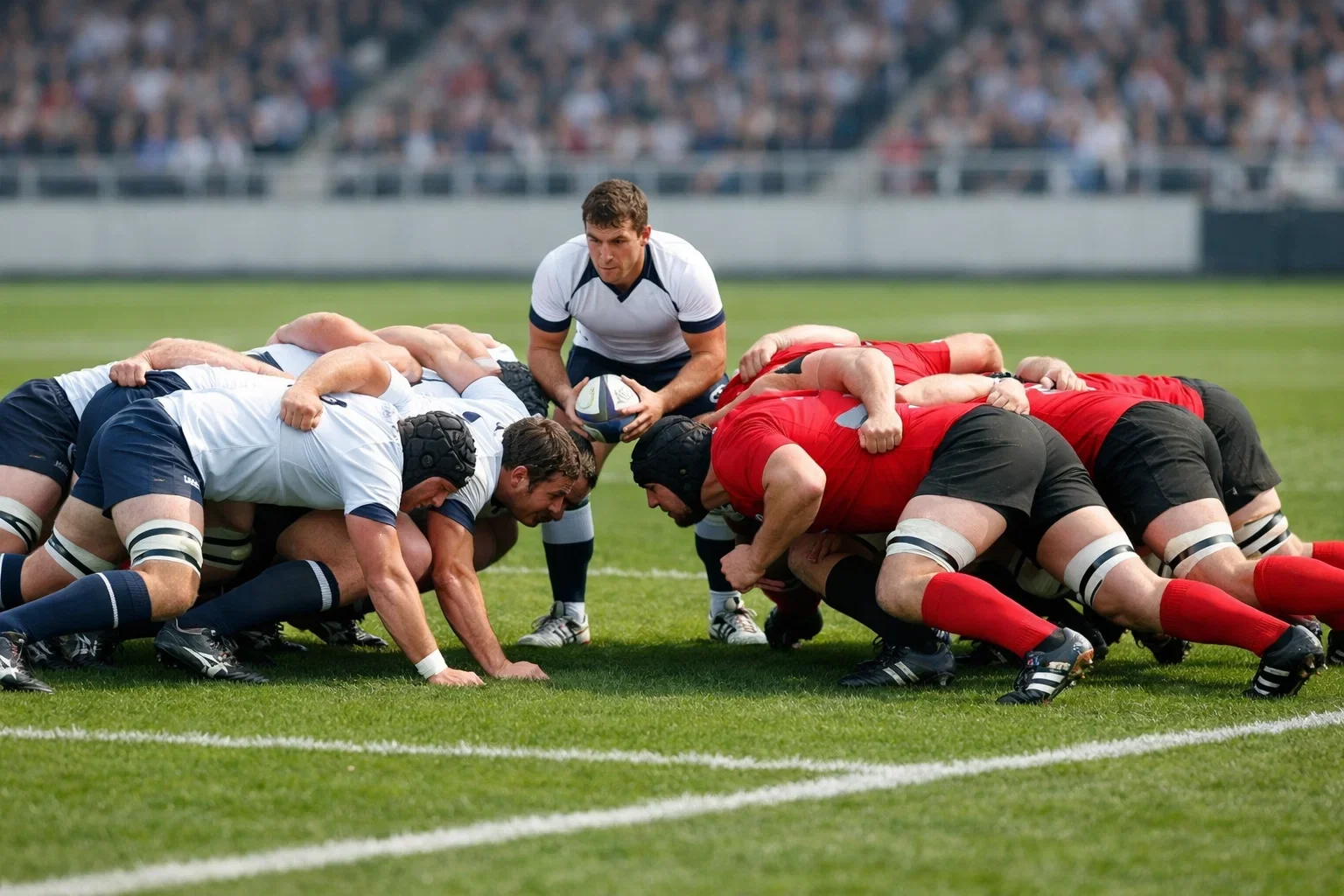
Predicting which team scores next represents the purest form of in-play rugby betting. The market simplifies to a binary choice, though some bookmakers add a third option for no further scoring. Odds fluctuate based on which team holds possession, field position, and momentum indicators visible to anyone watching the match.
Field position provides the most immediate indicator for this market. A team camped on the opposition five-meter line has vastly higher next-score probability than one defending their own line. The market adjusts for position, but often with slight delays that observant bettors can exploit. Watching where the ball is when you assess odds helps identify when prices lag reality.
The no-further-scoring option gains value in specific late-game scenarios. A tight match with both teams kicking for position, heavy rain suppressing attack, or two evenly matched defenses can produce extended scoreless periods. When bookmakers offer inflated odds on no further scoring during the final minutes of a tense, low-scoring affair, value sometimes exists on this overlooked selection.
Match Winner Live
The live match winner market continues throughout the game, offering updated odds on which team will win the match. Unlike next team to score, this market incorporates all remaining match time and the current scoreline to generate probabilities. A team leading by fourteen points early in the second half might trade at 1.10, while a team trailing by the same margin could be available at 8.00 or longer.
Comebacks happen frequently enough in rugby to create live match winner value on trailing teams. A fourteen-point deficit requires only two converted tries to level, achievable within ten minutes of sustained pressure. Bookmakers know this and price trailing teams accordingly, but they cannot perfectly calibrate comeback probability for every specific situation. Teams with superior fitness, deeper benches, or history of strong second-half performances may offer value when trailing.
The market also creates value when leading teams are overpriced. A team ahead by three points with twenty minutes remaining against an opponent who has dominated possession might trade at 1.50 when their actual winning probability is closer to 65 percent. Identifying when markets overreact to scoreboard position while underweighting underlying match dynamics reveals these opportunities.
Live Handicaps
Handicap betting continues during matches with adjusted lines reflecting the current score and time elapsed. A pre-match handicap of -7.5 might shift to -3.5 or -10.5 depending on how the match unfolds. These live handicaps offer opportunities to either improve on pre-match positions or find new value as circumstances change.
The mathematics of live handicaps rewards understanding expected scoring rates. Rugby union produces roughly 0.5 to 0.7 points per minute on average, though this varies substantially by competition and conditions. A team trailing by seven points with thirty minutes remaining faces different handicap math than the same situation with ten minutes left. Calculating implied scoring requirements against remaining time identifies when live handicap lines sit too high or too low.
Doubling down or hedging pre-match handicap bets through live markets represents an advanced strategy. If your pre-match selection leads comfortably but faces an adjusted handicap you view as unfavorable, taking the opposition live can lock in profit regardless of the final margin. Conversely, if your selection trails but you believe they will rally, improving your average price through additional live action amplifies returns when correct. These combinations require quick calculations and decisive execution.
Total Points Remaining
The remaining totals market projects how many additional points will be scored from the current moment until the final whistle. This differs from pre-match totals in focusing only on future scoring rather than the overall match total. If a match has produced twenty points by halftime, the remaining totals market asks how many more will follow, not whether the full match exceeds or falls short of a pre-set line.
Time remaining drives this market’s pricing fundamentals. A match averaging one point per minute will produce different remaining total expectations at the sixtieth minute versus the fortieth. Bookmakers adjust lines continuously, but their models cannot perfectly account for fatigue effects, substitution patterns, and tactical shifts that influence late-game scoring rates.
Weather changes during matches create remaining totals opportunities. A match that started in sunshine but sees rain arrive at halftime will likely produce fewer second-half points than the first half suggested. The bookmaker’s algorithm may incorporate weather but often lags behind observant bettors who notice conditions changing. Taking the under on remaining totals when rain begins falling captures this information edge.
Next Tryscorer
Live tryscorer markets allow betting on which player will score the next try. These markets feature longer odds than team-based markets because probability spreads across many possible scorers. Wingers and fullbacks typically carry the shortest prices, but value often exists on forwards during close-range situations and backs during broken-field play.
Positional context shapes tryscorer probability more than individual talent during live betting. A team with penalty advantage on the opposition five-meter line will likely use forward drives, making props and locks more probable scorers than wingers standing wide. Reading the attacking formation and likely play call helps identify which positions offer value before the ball is even played.
Substitution patterns affect late-game tryscorer markets significantly. Fresh legs from the bench often produce tries as tired defenders struggle to contain them. Impact players specifically selected for their finishing ability may offer value when they enter matches with twenty minutes remaining, particularly against fatigued opposition. Tracking who enters and when helps anticipate where late tries will come from.
Rugby In-Play Betting Strategies
Reading Match Momentum
Momentum in rugby union manifests through possession patterns, territorial control, and pressure accumulation. A team enjoying seventy percent possession while camped in the opposition half is building momentum regardless of the scoreboard. These pressure periods often precede scoring, and identifying them before points arrive allows betting at more favorable odds.
Possession statistics tell only part of the momentum story. A team might dominate possession while making little progress, recycling phases in midfield without threatening the tryline. Quality of possession matters more than quantity. Watch where the ball goes, not just who has it. Possession inside the opposition twenty-two indicates genuine pressure, while possession around halfway suggests stalemate.
Defensive indicators reveal momentum shifts before attacking statistics do. A team conceding repeated penalties, losing the collision battle, or struggling at scrum time shows vulnerability that precedes points concession. Sharp bettors recognize these defensive struggles and position themselves before the inevitable try or penalty goal arrives. The scoreboard catches up to momentum eventually, and being early captures the best prices.
Sin Bin Opportunities
Yellow cards create numerical advantages that dramatically affect match dynamics. A team with fifteen players against fourteen enjoys approximately fifteen to twenty percent increased scoring probability during the ten-minute sin bin period. This mathematical edge rarely reflects fully in live betting odds, creating systematic value on the team with numerical superiority.
Timing your bet matters as much as identifying the opportunity. Odds adjust immediately when the card is shown, so reactive betting captures less value than bettors able to anticipate cards. Watching for repeated penalties near the tryline, professional fouls preventing clear scoring chances, and referee warnings that precede cards helps position before the advantage materializes.
The sin bin also creates value on the team reduced to fourteen players in certain circumstances. If a dominant team loses a player, their odds might overcorrect when they remain strong enough to withstand the disadvantage. A team leading by fourteen points going down to fourteen players for ten minutes faces minimal risk of losing that match, but their live odds might drift enough to offer value. Contextual assessment beats mechanical reaction to numerical changes.
Score-Based Strategies
Backing comebacks requires assessing whether trailing teams retain the capability and time to recover. A team behind by fourteen points but dominating every metric except the scoreboard offers different comeback probability than one being comprehensively outplayed. Separating scoreboard position from underlying performance identifies which deficit situations offer genuine value.
The mathematics of comebacks in rugby favor bettors willing to back trailing teams. A fourteen-point deficit requires two converted tries, achievable in five to ten minutes of sustained pressure. Twenty-one points needs three scores, still manageable with a full half remaining. Even larger deficits have been overcome when trailing teams find rhythm and leading teams become complacent. Pricing these possibilities accurately proves difficult for algorithms working primarily from historical averages.
Doubling down on dominant teams represents the opposite approach. When a team leads and continues controlling the match, their odds often offer value because markets give trailing teams excessive comeback credit. Identifying matches where the leading team shows no signs of releasing pressure allows backing them at odds that exceed their actual winning probability. The key is distinguishing genuine dominance from fragile leads vulnerable to reversal.
Weather Impact During Matches
Weather changes during matches affect live betting more than pre-match markets because bettors observe actual conditions rather than forecasts. Rain arriving at halftime, wind shifting direction, or temperature dropping as evening falls all influence second-half dynamics in ways pre-match betting cannot anticipate.
Rain immediately reduces try-scoring probability and increases penalty frequency. Wet balls are harder to handle, increasing knock-ons and turnover rates. Kicking games become more conservative as slip risks increase. Taking unders on remaining totals when rain begins offers value as markets adjust to new conditions, and backing teams with stronger forward packs against opponents relying on backline skills captures the stylistic advantage wet weather creates.
Wind affects in-play betting differently for each half when teams switch ends. A team struggling against the wind in the first half might surge after halftime when they receive its assistance. Understanding wind direction and strength helps anticipate these half-to-half reversals. Kicking-dependent teams gain enormous advantages with the wind, while teams preferring to run the ball see less benefit. Reading which teams will exploit conditions better shapes second-half betting.
See also live strategies.
When to Place In-Play Rugby Bets

Optimal betting windows occur when your information advantage peaks relative to the bookmaker’s price adjustment. The moments immediately following significant events like tries or cards see rapid odds movement as algorithms recalculate. Betting slightly ahead of these events, when you recognize they are imminent, captures better prices than reactive wagering after the fact.
The period immediately before kicks offers consistent value opportunities. When a team earns a penalty kickable for goal, the next scoring method market should favor penalty heavily, but odds sometimes lag this obvious assessment. Similarly, conversions following tries represent near-certain two points when taken by reliable kickers, yet markets sometimes offer value on successful conversion outcomes. These micro-windows require quick identification and faster execution.
Halftime provides an extended betting window for considered analysis rather than reactive decisions. You can assess first-half performance, check for injury news or tactical observations, review statistics, and place second-half bets without time pressure. Many successful live bettors concentrate their action around halftime when information quality peaks and emotional reaction to in-game events subsides. The fifteen-minute break allows rational assessment that in-play betting during open play often lacks.
Cash Out Strategies

Cash out functions allow closing bets before final outcomes are determined, locking in profit or limiting losses based on current match circumstances. A bet that has moved strongly in your favor can be cashed out for guaranteed return, while one trending badly can be closed before the full stake disappears. Bookmakers offer cash out values calculated from current odds and remaining match time.
Taking profit makes sense when your assessment of winning probability falls below the implied probability of the cash out offer. If you backed a team at 3.00 pre-match and they lead with twenty minutes remaining, the bookmaker might offer cash out at 70 percent of potential winnings. If you now assess their winning probability at only 60 percent, taking cash out captures value by locking in more than the bet’s expected value.
Letting bets ride serves different circumstances. When your winning probability assessment exceeds the cash out implied value, declining the offer and allowing the bet to complete maximizes expected returns. This requires confidence in your analysis and willingness to accept variance. A bet you assess at 85 percent winning probability should not be cashed out for a 70 percent return, even though the guaranteed profit feels psychologically comfortable.
Partial cash out options split the difference, securing some profit while maintaining exposure to continued upside. Taking 50 percent cash out and letting 50 percent ride produces guaranteed return plus remaining upside potential. This balanced approach suits bettors who recognize value in both securing profit and maintaining position. Most bookmakers offering cash out also provide partial cash out functionality for this purpose.
In-Play Betting Mistakes to Avoid
Emotional betting represents the most costly in-play mistake. The excitement of live action, the frustration of watching selections fail, and the temptation to chase losses all push bettors toward irrational decisions. Successful live bettors maintain emotional discipline regardless of how matches unfold. They make decisions based on assessment rather than reaction, and they walk away from screens when emotions threaten judgment.
Overreacting to single events destroys betting bankrolls. A team conceding an early try is not suddenly ten percent worse than they were before kickoff. A team scoring against the run of play has not transformed into dominant favorites. Single events in rugby produce fewer points than the narrative weight they carry. Markets often overcorrect to these events, and bettors who recognize this capture value by betting against the emotional reaction.
Ignoring context leads to systematic errors. A try scored in the 30th minute carries different implications than one scored in the 70th minute. A yellow card when leading by twenty points matters less than one in a tied match. Evaluating events within their full context rather than as isolated occurrences produces more accurate probability assessments. What happened matters less than what it means for the remaining match.
Chasing losses during matches amplifies a single bad decision into a catastrophic session. Losing a pre-match bet and attempting to recover through increasingly risky live wagers nearly always deepens losses. Successful bettors accept that individual bets will lose and maintain disciplined staking regardless of previous outcomes. The live market will exist tomorrow; the bankroll destroyed by chasing will not.
Tools for Live Rugby Betting
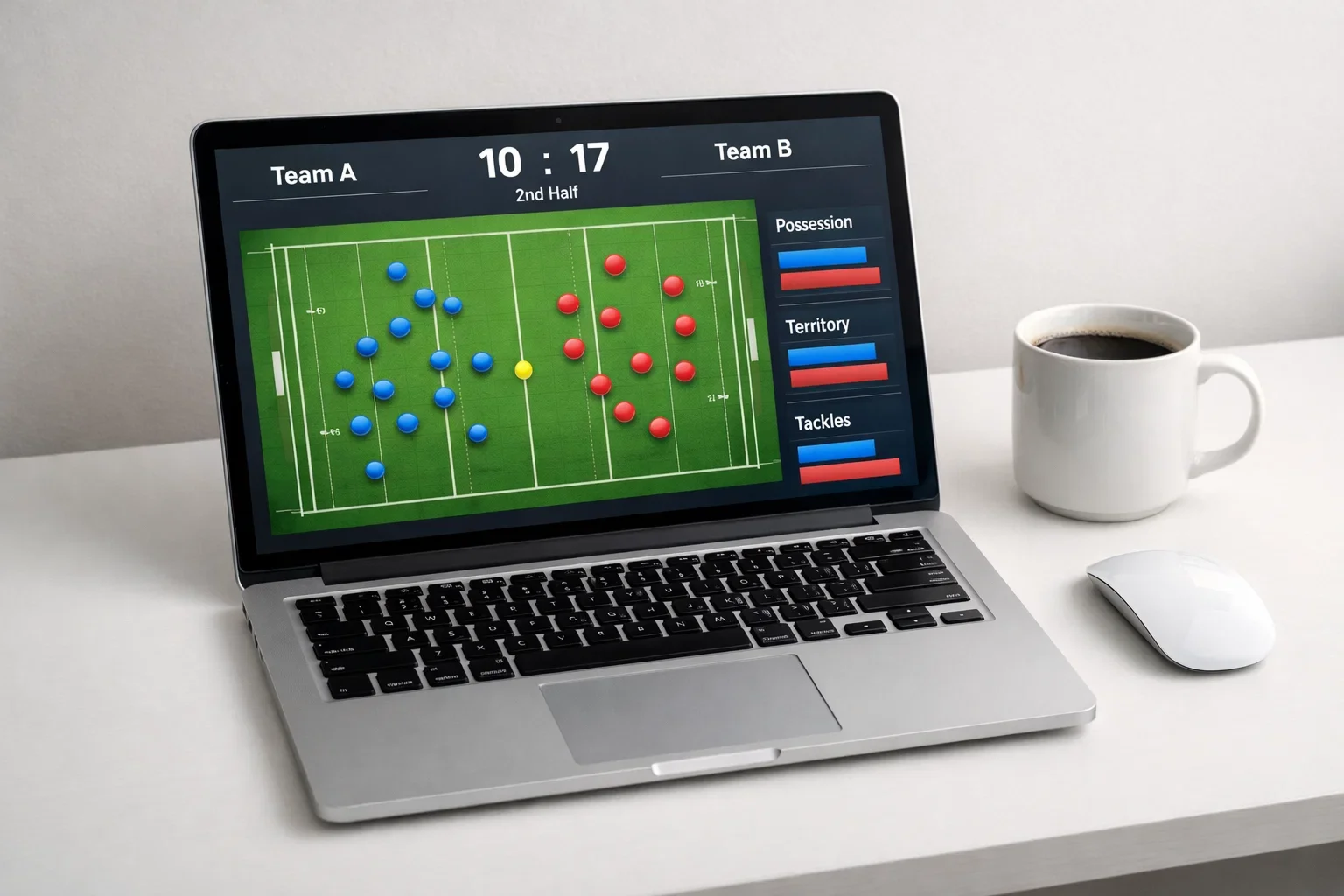
Live statistics platforms provide real-time data that informs in-play betting decisions. Metrics like possession percentage, territory, tackle counts, and carries offer objective measures of match flow beyond what casual viewing reveals. These numbers help confirm or challenge subjective impressions of momentum and control.
Match trackers offered by bookmakers and sports data companies display ball position, recent events, and match timeline graphically. When streaming is unavailable, these trackers provide sufficient information for many in-play betting decisions. Understanding the delay between actual events and tracker updates helps calibrate bet timing.
Video streaming from bookmakers allows watching matches while betting, though streams typically run thirty to sixty seconds behind live action. This delay means events visible on stream have already affected betting markets. Bettors with faster information sources, such as attending matches or accessing low-latency broadcasts, gain execution advantages over those relying on bookmaker streams. Recognizing your information speed relative to the market helps set realistic expectations for live betting edges.
Rugby statistics databases provide historical context for in-play analysis. Knowing that a team has won 70 percent of matches when leading at halftime, or that a particular competition averages certain comeback rates, calibrates live probability assessments. Building familiarity with these baseline statistics before matches begin prepares you for quick calculations during live betting windows.
In-play rugby betting rewards preparation, discipline, and quick thinking in equal measure. The opportunities exist for bettors who combine deep rugby understanding with systematic betting approaches. Momentum shifts, numerical advantages, weather changes, and score-based situations all create value for those watching closely and acting decisively. The match clock runs for eighty minutes, and profitable opportunities appear throughout for those ready to capture them. Rugby in-play betting on rugby union betting.
